Recent UPSC Prelims examinations demonstrate a key trend in how culture and heritage questions are being asked. The examination tests integrated understanding of civilizational continuity, analytical comprehension of cultural evolution, and contextual awareness of art-heritage linkages rather than isolated memorization of dates and dynasties. Aspirants relying on standard history textbooks and current affairs coverage find themselves unprepared for the depth and rigor of culture questions.
VisionIAS’s PT365 Culture addresses this preparation gap through a framework that integrates ancient heritage with contemporary cultural developments, enabling aspirants to build the understanding that UPSC Prelims 2026 demands.
Thematic Integration: Connecting Heritage with Current Developments
PT365 Culture employs a thematic integration methodology that sets it apart from conventional preparation materials. Rather than presenting cultural developments as isolated current affairs items, the document connects recent discoveries and commemorations with background frameworks.
Key developments such as the Chola Gangam Lake designation, agricultural practices in Indus Valley Civilization, and centenary celebrations like 150 Years of Arya Samaj are not listed as news updates. Instead, each current event anchors a thematic section covering historical context, cultural significance, and civilizational impact. When UPSC frames questions requiring contextual understanding beyond surface-level awareness, this integrated knowledge architecture proves decisive.
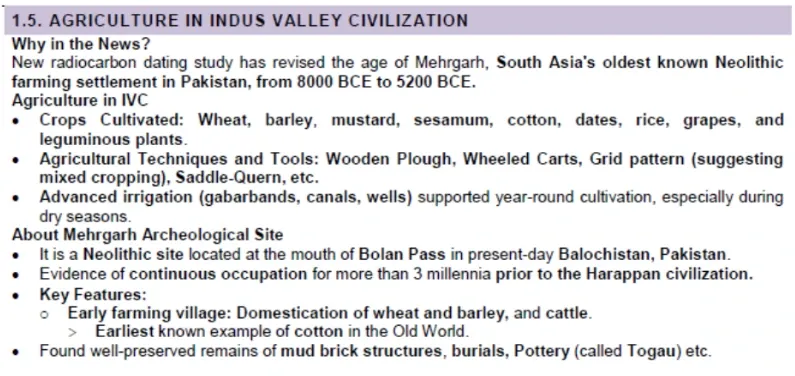
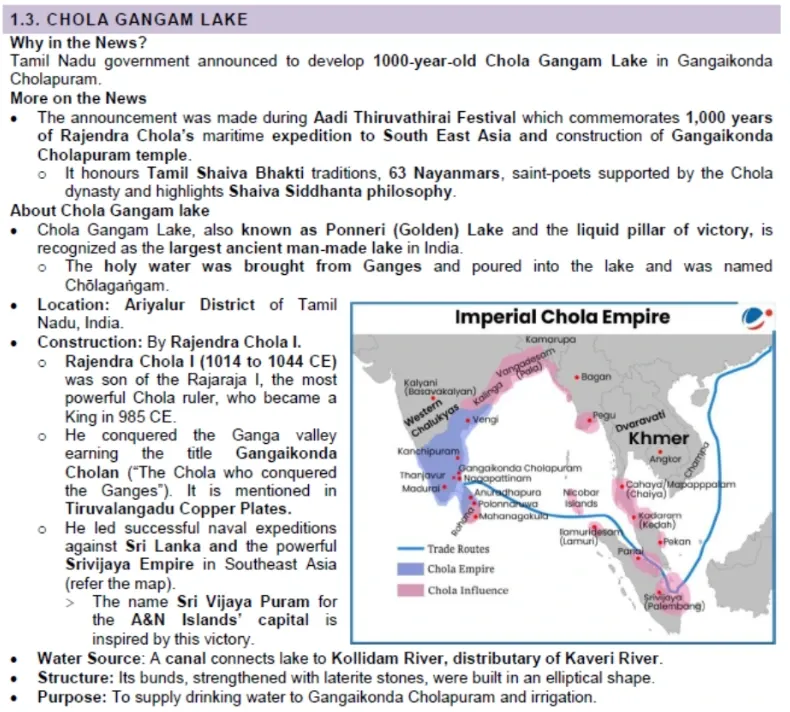
Visual Recall Framework for Cultural Elements
Cultural heritage encompasses temple architecture, metal crafts, monuments, and festivals that textual descriptions alone cannot capture. PT365 Culture recognizes this challenge and employs pictorial and schematic thumbnails to facilitate visual recognition.
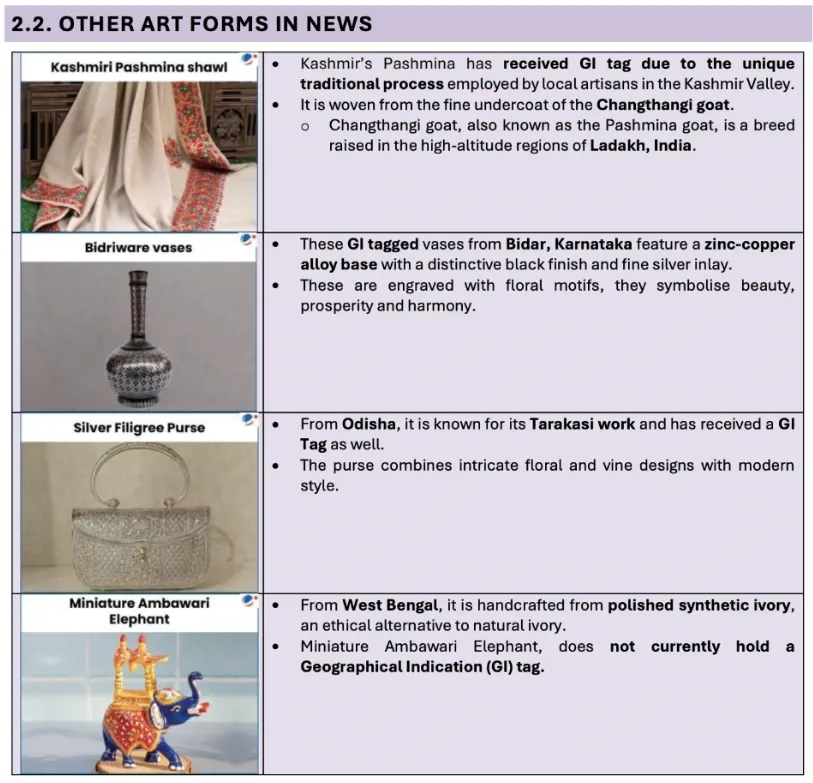
These visual frameworks serve dual purposes: they accelerate pattern recognition during preparation and function as mental anchors during examination, enabling aspirants to identify architectural styles, artistic traditions, or craft techniques when evaluating image-based or descriptive questions. The visual recall system transforms cultural knowledge into examination-ready recognition capability.
Geographical and Cultural Context Through Mapping
Understanding the geographical distribution and regional variations of cultural traditions has become important for UPSC Prelims 2026 success. PT365 Culture provides maps that establish spatial context for art forms, archaeological sites, and heritage zones featured in news.
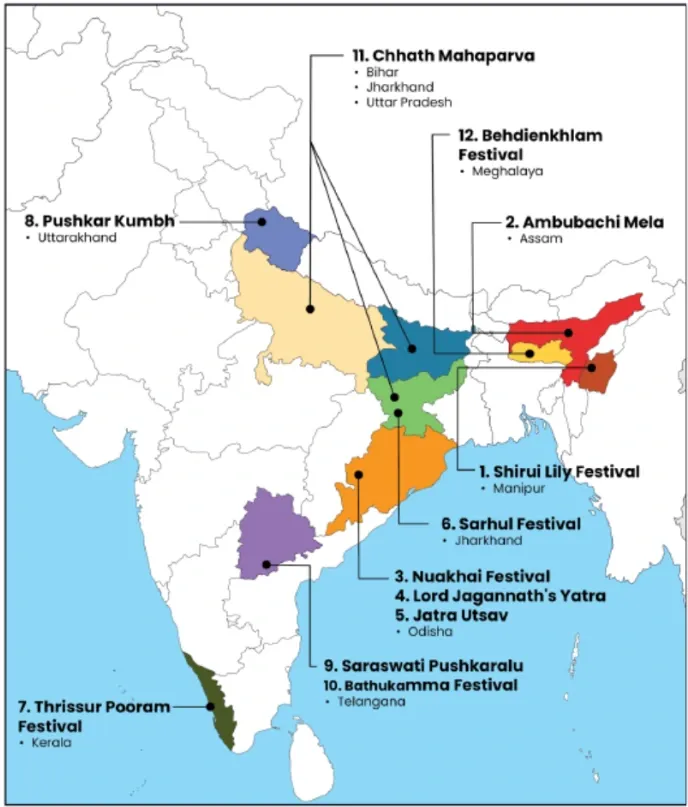
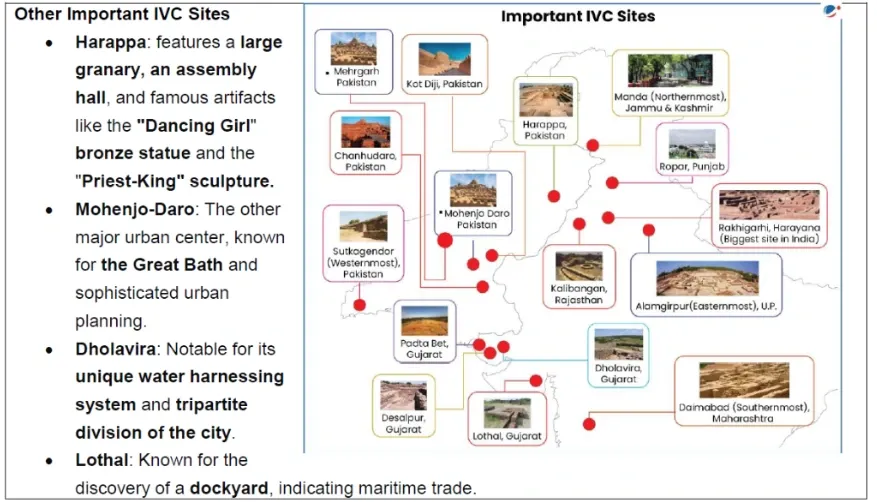
This geography-culture synthesis addresses UPSC Prelims’ tendency to frame questions connecting cultural practices with their regional origins or testing awareness of heritage site locations. Aspirants gain the spatial intelligence necessary to evaluate statements about cultural distribution, civilizational spread, and heritage geography.
Reference Appendices for Quick Verification
Maintaining command over cultural data such as UNESCO World Heritage Sites, ancient maritime networks, and traditional festival calendars presents a revision challenge. PT365 Culture resolves this through appendices that consolidate information for reference.
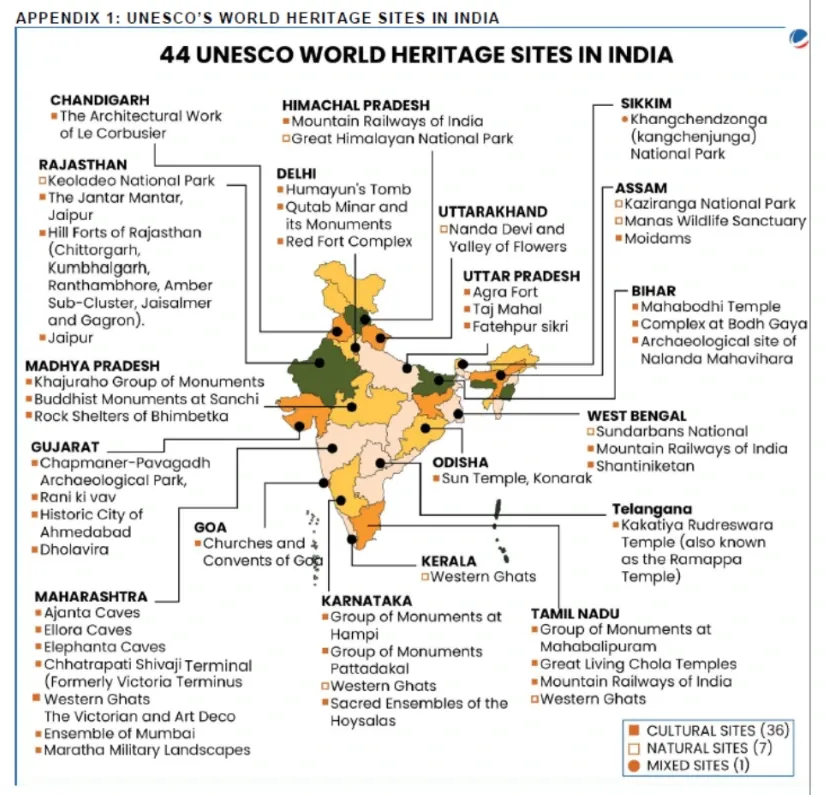
The appendices covering World Heritage Sites (including India’s 44th UNESCO designation), Ancient Ports, and Traditional Festivals of India enable aspirants to verify factual details during final revision phases. This consolidation prevents confusion between similar sites, ports, or festivals while ensuring coverage of examination-relevant cultural elements.
Reflections from PT365 Culture in Recent UPSC Prelims
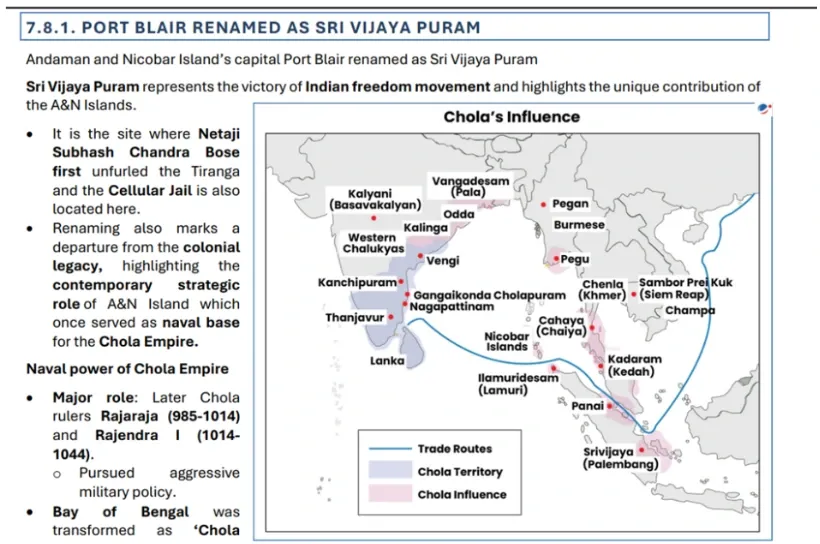
PT365 Culture’s coverage of Chola imperial expansion included sections on Rajendra I’s naval expeditions and military campaigns, documenting his conquest of the Srivijaya maritime empire spanning the Malay Peninsula, Sumatra, and Java. This preparation enabled aspirants to answer the Prelims 2025 question:
Q. Who among the following led a successful military campaign against the kingdom of Srivijaya, the powerful maritime State, which ruled the Malay Peninsula, Sumatra, Java and the neighbouring islands? (UPSC 2025)
(a) Amoghavarsha (Rashtrakuta)
(b) Prataparudra (Kakatiya)
(c) Rajendra I (Chola)
(d) Vishnuvardhana (Hoysala)
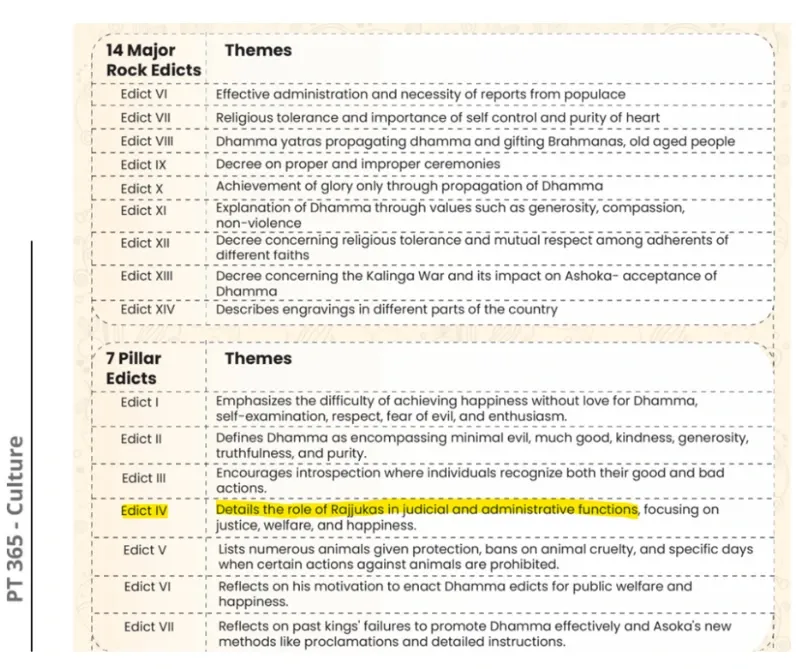
The document’s examination of Mauryan administrative structures featured analysis of Ashokan inscriptions and the hierarchical framework of provincial governance, identifying Pradeshika, Rajuka, and Yukta as provincial-level administrative officers. This preparation proved essential for the Prelims 2025 question:
Q. Ashokan inscriptions suggest that the ‘Pradeshika’, ‘Rajuka’ and ‘Yukta’ were important officers at the: (UPSC 2025)
(a) village-level administration
(b) district-level administration
(c) provincial administration
(d) level of the central administration
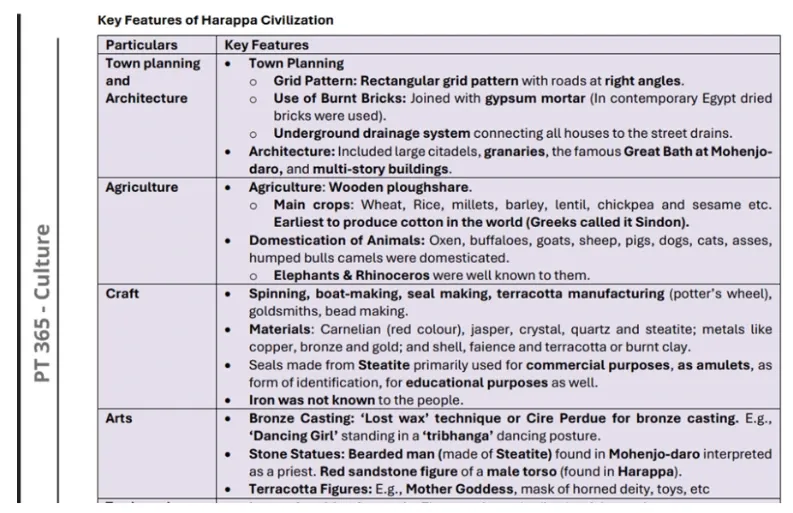
The document’s examination of Harappan artistic achievements included material specifications for artifacts, identifying the ‘Dancing Girl’ figurine from Mohenjo-daro as a bronze sculpture demonstrating metallurgical expertise. This preparation equipped aspirants for the Prelims 2025 question:
Q. The famous female figurine known as ‘Dancing Girl’, found at Mohenjo-daro, is made of (UPSC 2025)
(a) carnelian
(b) clay
(c) bronze
(d) gold
PT365 Culture’s coverage of social reform movements included documentation of the Self-Respect Movement’s origins, identifying Periyar E.V. Ramaswamy Naicker as its founder and contextualizing the movement’s centenary celebrations within Dravidian socio-political evolution.
These reflections demonstrate PT365 Culture‘s approach to identifying examination-oriented heritage content and delivering it with the precision and depth that Prelims 2026 demands.
Building Heritage Mastery with Integrated Resources
While PT365 Culture delivers prelims-specific content, VisionIAS advocates combining it with preparation resources for success.
The VisionIAS Digital Current Affairs offers resources that enable aspirants to track ongoing cultural developments, heritage designations, and archaeological discoveries throughout the preparation cycle. The platform’s thematic organization aligns with UPSC’s integrated questioning approach, allowing correlation between current events and historical foundations.

Conclusion
UPSC Prelims demonstrates that culture and heritage preparation demands more than rote memorization of dates or awareness of monuments. The examination evaluates understanding of civilizational continuity, capacity to connect cultural elements across time periods, and familiarity with both ancient heritage foundations and contemporary cultural developments.
VisionIAS’s PT365 Culture fulfills these requirements through its combination of thematic integration, visual recall frameworks, geographical contextualization, and examination-centered methodology. The document’s record of anticipating UPSC questions across ancient history, art and culture, and heritage topics validates its position as a preparation resource for aspirants serious about prelims success.
Leave a Reply