The UPSC has concluded its Civil Services Mains Examination for Optional Papers. The optional subject holds particular significance for success in UPSC Mains, as it is accounting for a notable 500 marks. The UPSC History Optional Paper 1 is a test of an aspirant’s knowledge on Ancient and Medieval History of India. This Paper is subdivided into two sections based on these subjects, with Section A catering to Ancient Indian History and Section B catering to Medieval History of India.
Analysis of History Optional Paper 1
This year’s UPSC History Optional Paper 1 featured two major format changes. A physical map of India was used for Question 1, and the non-compulsory questions had a new 15-15-20 marks arrangement. Download Link History Optional Paper 1
- The map section had multiple sites based on Previous Year Questions (PYQs), with examples such as Bagor, Rakhigarhi, and Chandraketugarh. While some sites in Ladakh and Kerala were confusing, aspirants could answer an estimated 15 sites with standard sources and dedicated practice of PYQs. The Map question solution of all 20 sites could be found in the Solution to Map Question History Optional Paper 1
- In Ancient History (Section A), conventional themes vital for ancient history for upsc saw a revival, including Pre-history, IVC, Buddhism, Jainism, and the Mauryas. There was a clear emphasis on regional states, with three distinct questions from this topic. Quote-based questions also returned, and the overall nature of the questions was more analytical than in previous years.
- The Mughal period dominated Medieval History (Section B), with seven questions covering various units. These questions were longer in description but were answerable. Cultural themes were prominent but required specific facts to answer these questions.
Overall, the paper for this UPSC History optional subject was not overly complex, as themes often reflected in PYQs were present in the paper. It was answerable with standard sources, but the paper’s increased length could have caused stress and time management issues for aspirants.
Success in Mains 2025 with UPSC Styled Optional Questions
The analysis on UPSC History Optional Paper 1 reveals that while the questions were not overly complex, their analytical nature required aspirants to apply their knowledge critically. A holistic preparation approach is thus critical to score high marks in UPSC Optional subjects for Mains. The Mains-centric initiatives of Vision IAS, particularly the UPSC History Mapping Document and UPSC test series for History Optional, are specifically designed to develop the ability to answer questions with critical thinking.
The UPSC test series on History Optional has yielded great returns this year as well, a testament to their direct relevance and effectiveness of writing tests for success.
- The trust students placed on us was visible in UPSC History Optional Paper 1 in which 15 out of 23 theory questions were reflected in our Test Series
- In the Map question, 12/20 Map Sites were covered from our Test Series and Vision Mapping Document.
This high impact in UPSC Mains Paper is a testament to the direct relevance and effectiveness of writing Tests for success in UPSC Mains.
Reflections in History Paper 1 from Vision IAS History Optional Test Series
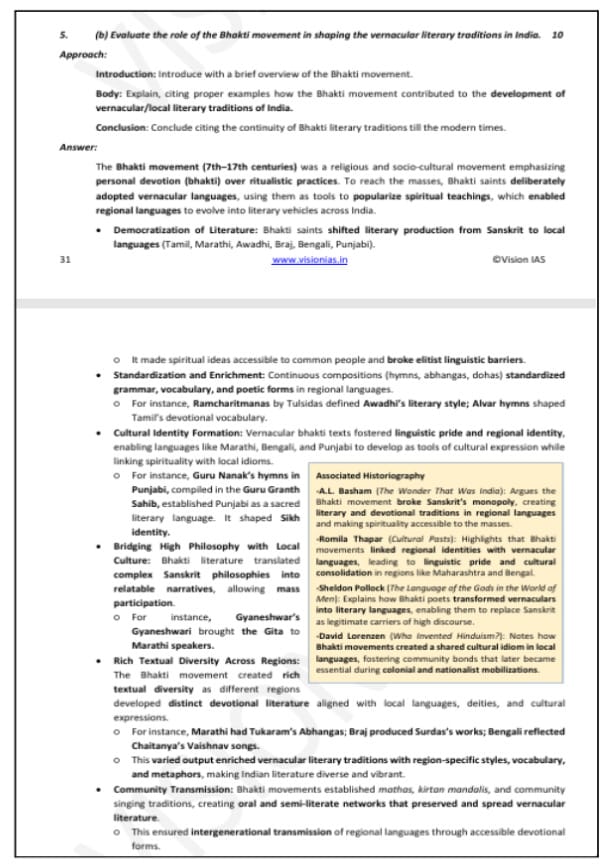
The Vision IAS History Optional Test(3418) question was a direct reflection of the question asked in UPSC History Optional Mains 2025. The approach answer to this question provided the major components required to answer this question for the UPSC Mains exam. It included:
- Role of Bhakti Movement: The Model Answer to this question IAS provided a clear context about the role of Bhakti movement in the rise of vernacular literature of the period. This context would have assisted in writing a suitable context based introduction to the question.
- Analytical Depth: The Model Answer gave a detailed discussion on the various regional literature that emerged in this period due to the Bhakti Movement. This includes Hindi, Tamil, Telugu, Marathi and other key regional languages. Aspirants could use these to write as examples in the answer to gain additional marks.
- Historiography: The Model Answer listed specific suitable historiography to this question. Naming scholars like A.L. Basham, Sheldon Pollock or Romila Thapar and their views would have added relevant value addition.
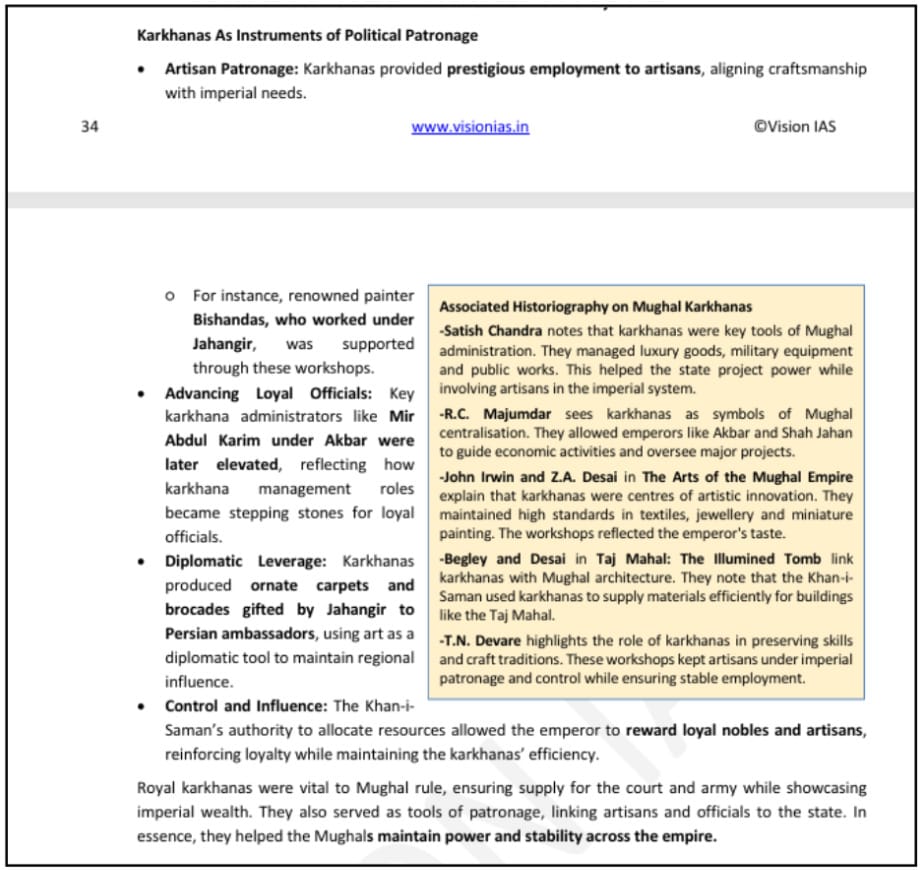
The Vision IAS History Optional Test(3413 & 3418) questions were again a direct reflection of the question asked in UPSC History Optional Mains 2025. The approach answer to these questions provided the major components required to answer this question for the UPSC Mains exam. It included:
- Definition & Context: The Model Answer to this question by Vision IAS provided a clear introduction to the Mughal Karkhanas and their role in the Mughal Economy. This context would have assisted in writing a suitable context based introduction to the question.
- Analytical Depth: The Model Answer gave a detailed discussion on the Mughal Karkhanas, their patronage by various rulers, the reasons for their rise as well as the functional need of these organisations in the Mughal Economy.
- Historiography: The Model Answer listed suitable historiography naming scholars like Satish Chandra, R. C. Majumdar and John Irwin and their views. This would have been an important value addition to this question.
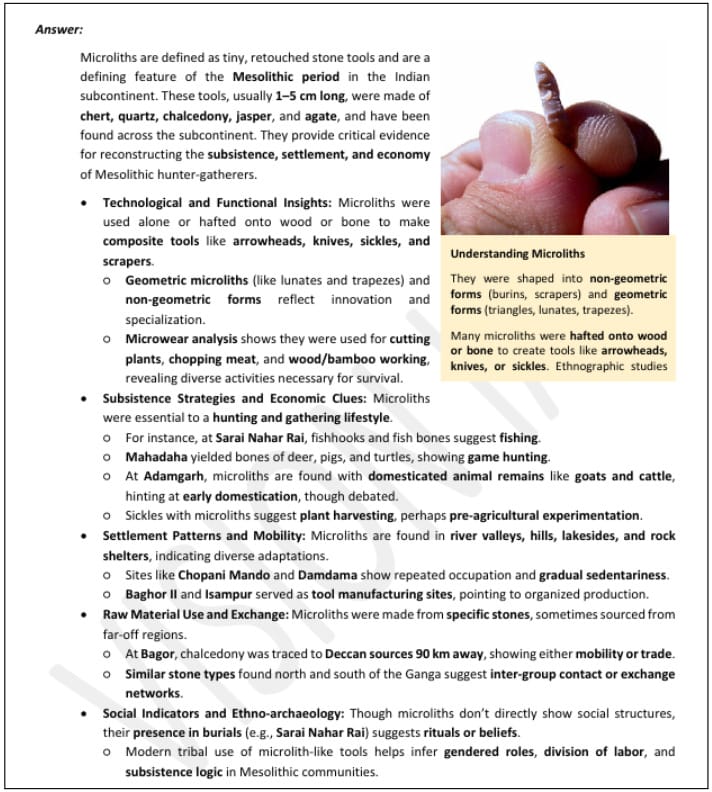
The Vision IAS History Optional Test(3416) is an indirect reflection of the UPSC Mains question. While the UPSC question is focusing on a discussion around the expertise of making the microlith tool, The Vision IAS question was on a broader theme of using microliths to interpret life and economy of the period. Thus, using this question, the UPSC question could be answered as it was a subset to the Vision IAS question. The major components required for a concise response for the UPSC Mains exam included:
- Definition of Microliths: The Model Answer by Vision IAS provided a clear context about what Microliths are and their role in ancient India. This context would have assisted in writing a suitable definition based introduction to the question.
- Analytical Depth: The Model Answer gave a detailed discussion on the technological advancements leading to the rise of Microliths, which was essential to answer the core part of this question in terms of artistic ability of the people. The specific dimension asked by UPSC could be answered using these discussions.
- Examples and Sites: The Model Answer listed specific sites and the artefacts found in these places. This was essential to substantiate the answer and fetch additional marks in the answer.
Other UPSC History Mains 2025 Questions answerable from our History Optional Test Series include:
Mastering Maps with Vision IAS History Mapping Document
In its inaugural edition, the Vision IAS UPSC History Mapping Document has delivered successfully by predicting 12/20 sites in the Map Question. Designed carefully in line with the evolving UPSC trends, this UPSC History Mapping document provides aspirants with suitable value-added content that helps them practice site identification with analytical depth expected in the map question.
The solution of all 20 sites asked in Q1 of Section A could be found in the Solution to Map Question History Optional Paper 1.
Some reflections of the sites identified in our Document include:
UPSC History Optional Paper 1 Question
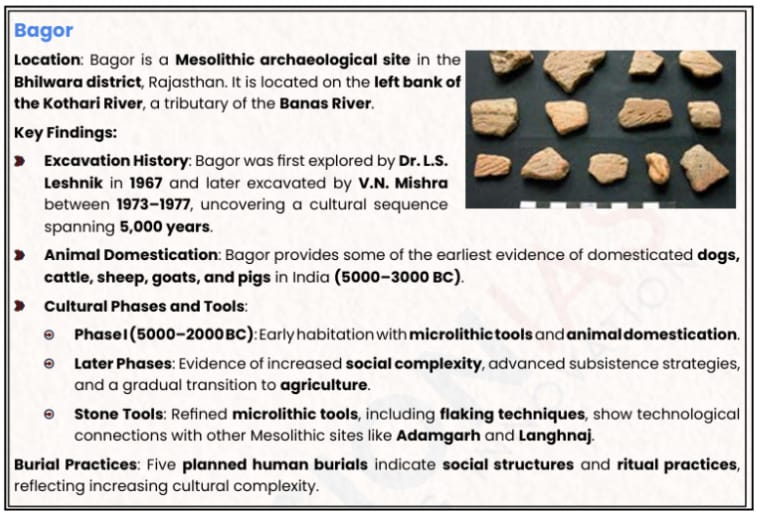
Q1 (ii) Mesolithic Site
Solution and Reflection in VAM
Bagor
UPSC History Optional Paper 1 Question
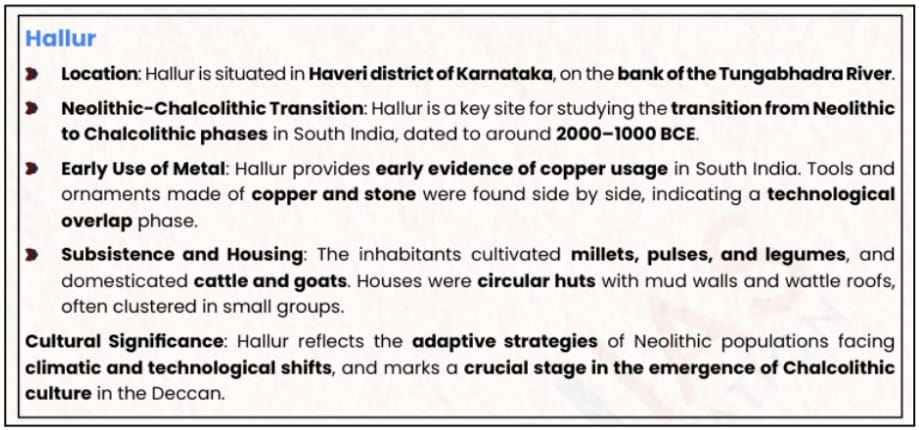
Q1 (iii) Paleolithic Site
Solution and Reflection in VAM
Hallur
UPSC History Optional Paper 1 Question
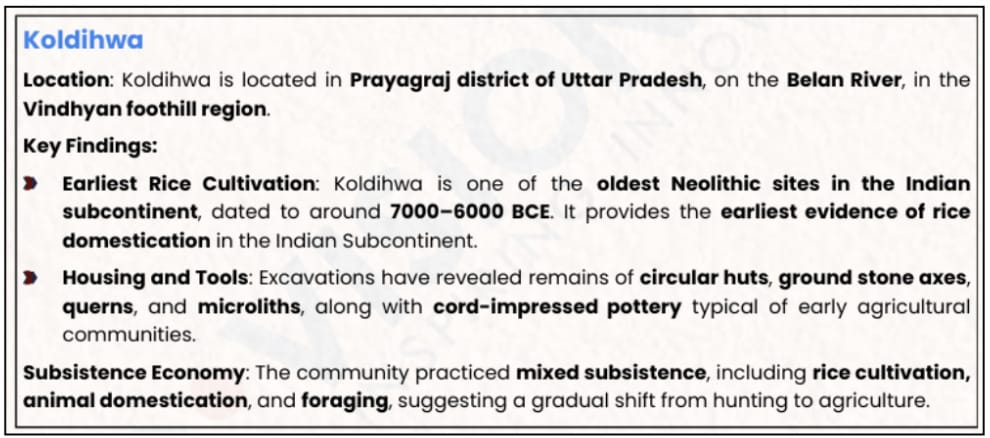
Q1 (iv) Neolithic site with stone artefacts
Solution and Reflection in VAM
Koldihwa
UPSC History Optional Paper 1 Question
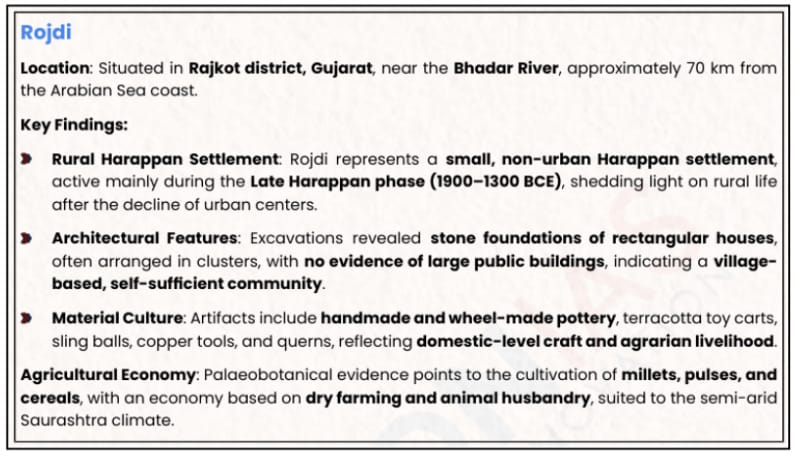
Q1 (v) Site of Indus Valley Civilization
Solution and Reflection in VAM
Rojdi
UPSC History Optional Paper 1 Question
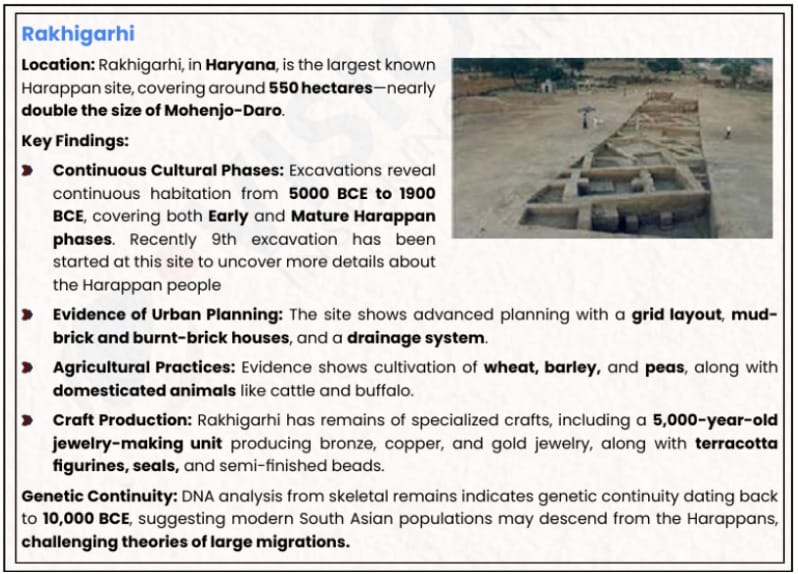
Q1 (vi) Early Harappan site with a fire-pit
Solution and Reflection in VAM
Rakhigarhi
UPSC History Optional Paper 1 Question
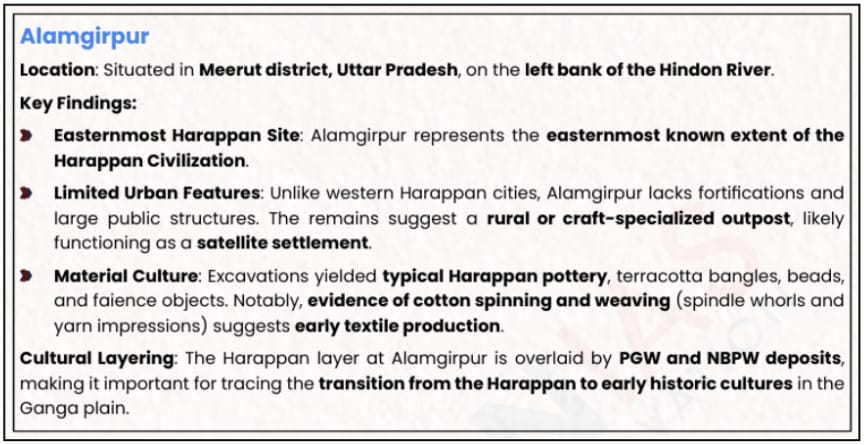
Q1 (vii) Late Harappan site
Solution and Reflection in VAM
Alamgirpur
UPSC History Optional Paper 1 Question
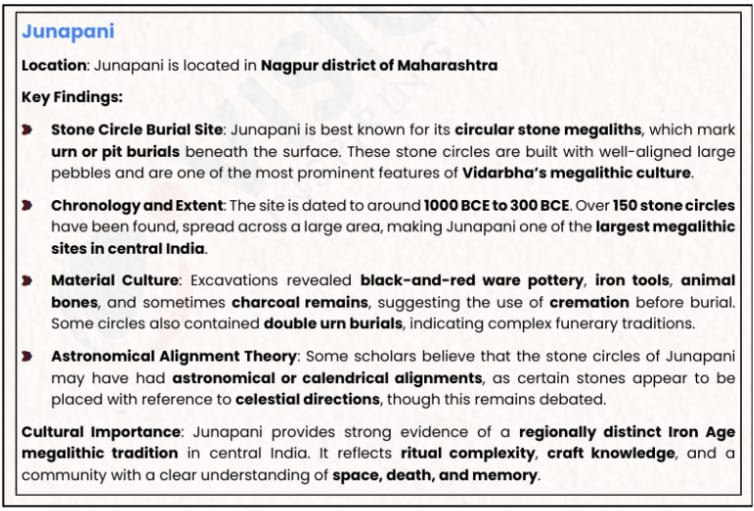
Q1 (x) Megalithic site
Solution and Reflection in VAM
Junapani
UPSC History Optional Paper 1 Question
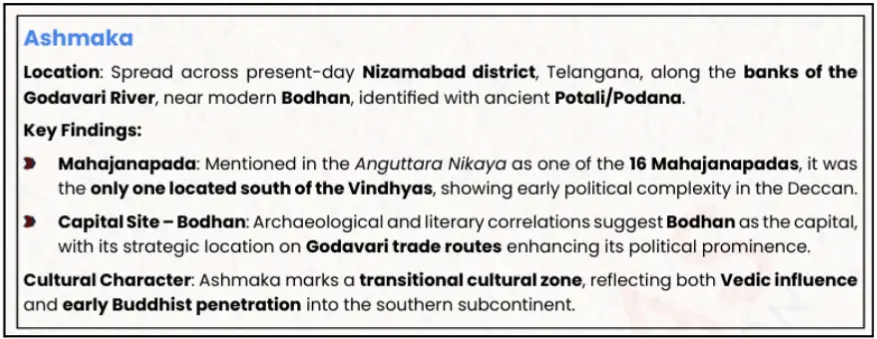
Q1 (xi) Mahajanapada of South India
Solution and Reflection in VAM
Ashmaka
UPSC History Optional Paper 1 Question
Q1 (xv) Commercial centre of the Mauryas
Solution and Reflection in VAM
Tamralipti
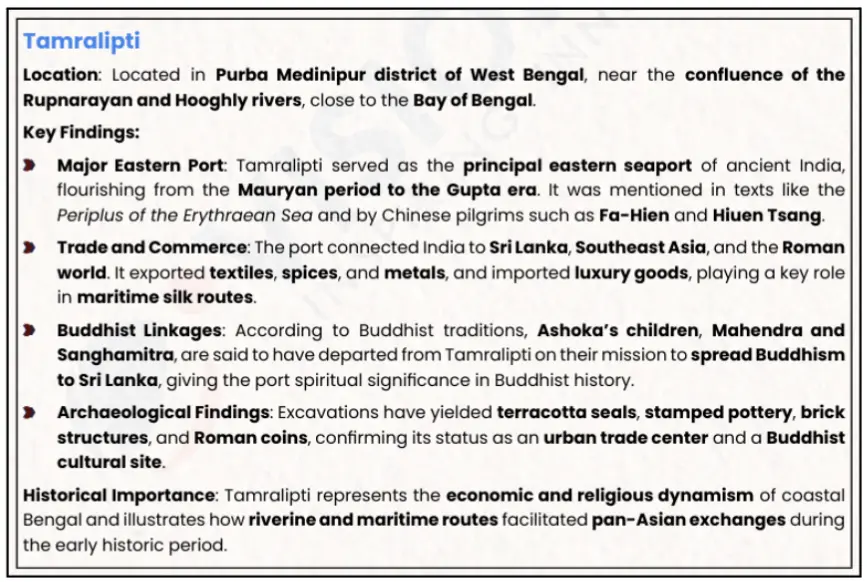
UPSC History Optional Paper 1 Question
Q1 (xvi) Saka-Kushan coin hoard
Solution and Reflection in VAM
Vidisha (Ancient Besnagar)
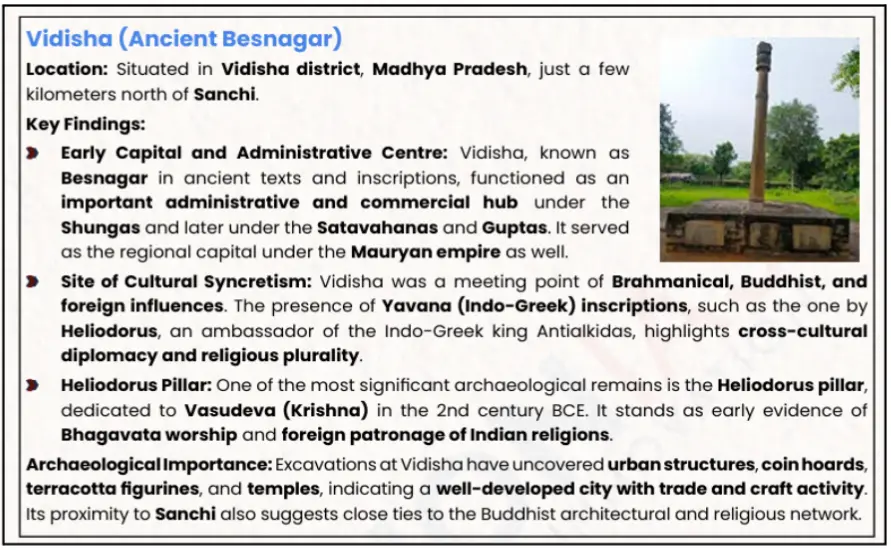
UPSC History Optional Paper 1 Question
Q1 (xix) Terracotta craft centre of Post-Mauryan period
Solution and Reflection in VAM
Chandraketugarh
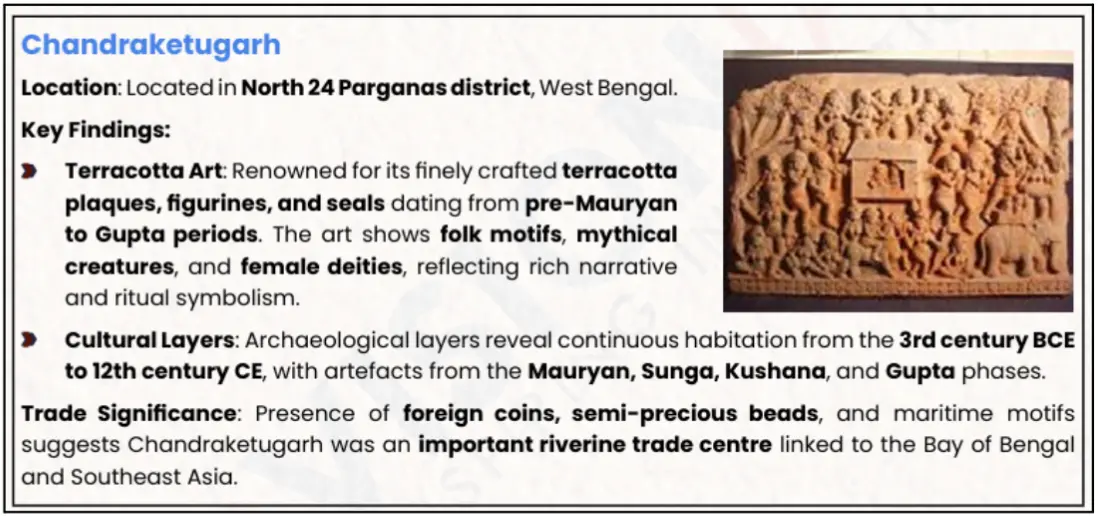
Final Thoughts
The analytical nature of this year’s UPSC Optional Mains paper holds significant implications for all aspirants, particularly those targeting UPSC 2026. Success in the UPSC Mains demands a sophisticated approach to answer writing, especially for those preparing with an UPSC History Optional subject.
Reflections on UPSC Mains 2025 History Optional Paper 1 indicate the growing need to integrate both static knowledge and contemporary developments in answer writing. Aspirants of History Optional can particularly benefit by aligning their preparation with evolving trends, since UPSC History Optional requires the ability to interlink core concepts with current affairs.
By utilizing structured resources like Vision IAS UPSC History Optional Test Series and high-quality UPSC Value Added Material (VAM), aspirants can learn how to structure answers, enrich them with relevant examples, and develop the analytical depth needed in History for IAS preparation. Such an approach ensures that the UPSC Optional, particularly History Optional, is tackled with precision and consistency, ultimately improving performance in the UPSC Mains.
Vision IAS Resources for UPSC CSE 2026
- Enroll in Vision IAS GS Foundation course for holistic preparation of UPSC exam
- UPSC Mains high quality, updated and toppers trusted notes and documents by Vision IAS at UPSC Mains Corner.
- Explore topper’s trusted and recommended most important answer-writing tool for UPSC CSE Examination, the VisionIAS Mains Test Series, to effectively practice answer writing for Mains 2026.
- Explore topper’s trusted and recommended most important Optional Preparation and Practice resource for UPSC CSE Examination, the VisionIAS Optional Test Series, to effectively practice answer writing for Mains 2026.
- To pursue a mentored approach for UPSC Mains 2026 check our Lakshya Mentoring Services. Lakshya has been a trusted mentoring service used by many toppers.
- Vision IAS provides a new age, AI integrated Digital Current Affairs solution that can help you navigate the course of Current affairs. The flagship “Vision Intelligence” can help you keep a track of the enormous task of handling current affairs in your preparation. These resources can be found at our dedicated Current Affairs page.
- We at VisionIAS also prioritise mental health of all students. At Student Wellness Cell, you can reach out to us for counseling if you feel overwhelmed with the exam. We strive to assist the students and help you with effective stress and time management under the guidance of best counselors.
Leave a Reply