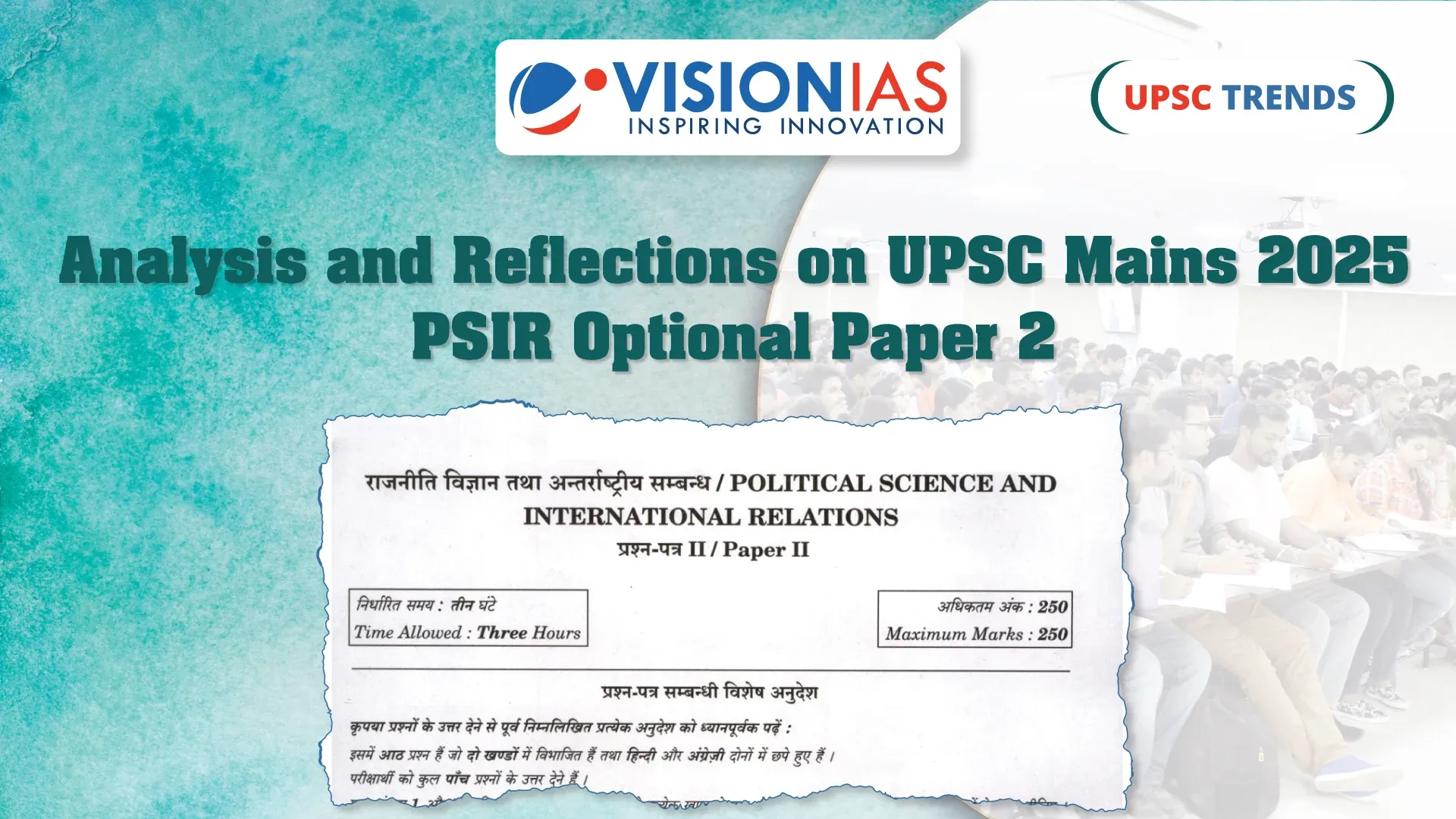
The UPSC has concluded its Civil Services Mains Examination for Optional Papers. The optional subject holds particular significance for success in UPSC Mains, as it is accounting for a notable 500 marks. The UPSC PSIR Optional Paper 2 is a test of an aspirant’s knowledge on Comparative Politics , International Relations and Indian Foreign Policy.
The PSIR Optional Paper 2 is subdivided into two sections based on these subjects, with Section A catering to Comparative Politics and International Relations and Section B catering to Indian Foreign Policy.
Analysis of PSIR Optional Paper 2
A Deep Dive into Complexity and Critical Thinking
The UPSC Political Science and International Relations (PSIR) paper of 2025 presented a complex, applied, and unconventional challenge to the aspirants. With highly opinionated, analytical, and critical questions that demanded a deep understanding of contemporary global events, the paper required not just theoretical knowledge, but also a strong grasp of geopolitics. Download Link PSIR Optional Paper 2
Analysis of PSIR Paper 2 Section A: Comparative Politics and International Relations
Unconventional Themes and Contemporary Issues
This year’s paper reflected the growing interlink between traditional theories of international relations and modern geopolitical realities.
- Non-Traditional Security Threats: The question on non-traditional security threats uniquely focused on the food and environmental crisis, requiring aspirants to relate real-time issues with core concepts of international relations. A comprehensive understanding of climate change, resource management, and global cooperation was required to write an answer to this question.
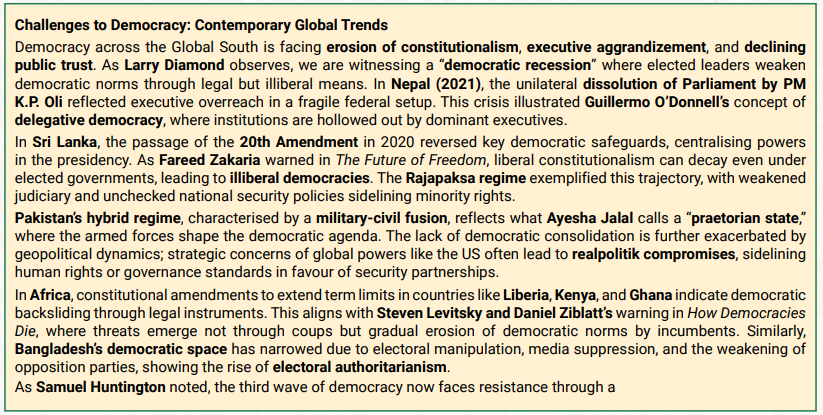
- Democratic Backsliding: This was a complex topic that demanded candidates to analyse how global democracies are evolving in the face of internal and external pressures. Aspirants had to show a nuanced understanding of shifting political landscapes worldwide.
High-Level Application of Geopolitical Knowledge
The PSIR Paper 2 emphasized the need to integrate theory with practical geopolitical developments. Aspirants were required to not only recognize, but critically evaluate current global dynamics through the lens of international relations.
- Reimagining Global Institutions: This question on this theme focused on a shift in global governance, especially after the U.S. withdrawal from the World Health Organization (WHO). Candidates had to discuss the evolving role of global health organizations in a post-COVID world.
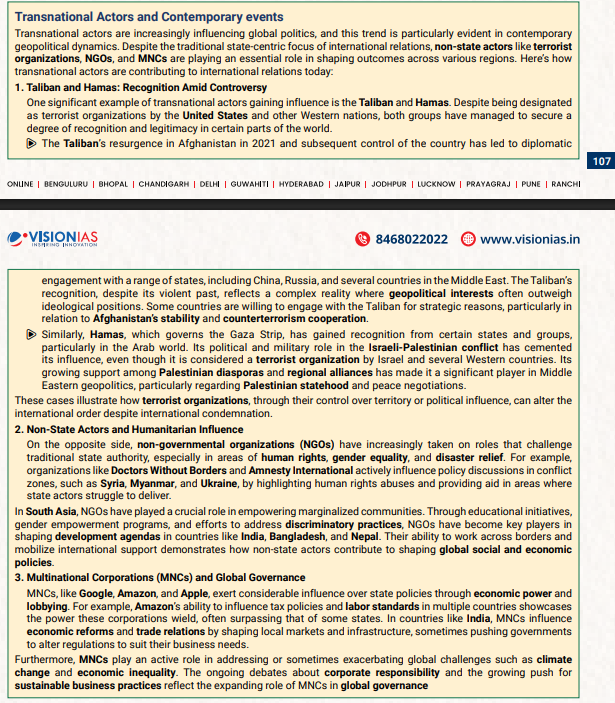
- Transnational Actors and Global Security: This question tests the understanding the changing role of multinational corporations, NGOs, and other non-state actors in global security was crucial. Aspirants had to critically assess the balance of power in this increasingly complex international environment.
- The Trump Effect on EU Security: This theme was unique as it was a question that examined the potential return of Donald Trump and its effects on European security. This required candidates to link the personality-driven politics of Trump with broader European geopolitical dynamics.
Analysis of PSIR Paper 2 Section B: Comparative Politics and International Relations
A Deep Dive into Indian Foreign Policy
The Indian Foreign Policy section was equally challenging, focusing largely on China, India’s strategic autonomy, and the changing global landscape.
- The China Factor: Multiple questions on China like Q5(a), Q8(b), Q8(c) emerged as a dominant theme in this year’s paper. These questions address the complex bilateral relations between India and China. Whether competition or cooperation, candidates needed a deep, current understanding of their geopolitical rivalry and possible diplomatic openings.
- India’s Nuclear Stance: Following recent developments, particularly after the Pahalgam incident, this question required candidates to reflect on India’s evolving nuclear policy and its implications on global diplomacy.
Reassessing India’s Foreign Policy Posture
A critical theme that ran through the paper was India’s overall foreign policy strategy shifting from non-alignment to a more aggressive realist approach.
- India’s Strategic Autonomy: In questions on this theme, Aspirants were asked to assess India’s strategic autonomy in balancing ties with two global superpowers. The ability to understand the complexities of India’s relations with both the U.S. and Russia was crucial to answer questions here.
- India’s Active Diplomacy: This was a unique theme where candidates had to reflect on how India’s foreign policy has evolved to meet the challenges of an increasingly multipolar world. This question was deeply rooted in India’s proactive diplomatic engagement, especially in the Indo-Pacific region.
- Non-Alignment and NAM 2.0: The paper also revisited the concept of Non-Alignment, specifically NAM 2.0, as a key theme. This reflected the evolving vision of India in the post-Cold War era and its relevance in the current geopolitical context.
Missing Traditional Themes
Interestingly, traditional themes like India-West Asia relations, India-Pakistan relations, and India-Afghanistan relations were notably absent from the paper. Given their contemporary relevance, aspirants might have anticipated their inclusion. However, this shift in focus required candidates to think beyond the usual themes and focus on evolving geopolitical challenges of the day.
A Paper that Required Critical Thinking and Depth
The UPSC PSIR Paper 2025 was undoubtedly one of the more complex and challenging papers in recent years. The unconventional questions, rooted in contemporary events and complex global challenges, called for a critical and nuanced understanding of international relations and Indian foreign policy.
Aspirants who regularly followed global developments, read in-depth analyses from standard sources, and stayed updated on current affairs were better equipped to tackle this year’s paper. This year’s exam demonstrated a clear trend towards testing the depth of an aspirant’s understanding of key geopolitical issues and their ability to apply theoretical concepts to real-world scenarios.
Success in Mains 2025 with UPSC Styled Optional Questions
Our analysis on the PSIR Optional Paper 2 reveals that the complex and challenging nature of questions asked this year required aspirants to go for a holistic preparation approach for UPSC Mains to score high marks.
The Mains-centric initiatives of Vision IAS, particularly the UPSC PSIR Value Added Material (VAM) and UPSC Test Series for PSIR Optional are specifically designed to develop this ability. The Vision IAS PSIR Optional Test Series featured 4 Sectional Tests, 4 Full Length Tests and 2 Abhyaas Tests.
Further, The Value Added Material provided detailed coverage of the syllabus along with contemporary case studies and examples for answer enrichment. Our initiatives on PSIR Optional for UPSC mains have yielded great returns this year as well.
- The trust students placed on us was visible in UPSC PSIR Optional Paper 2 in which 17 out of 28 questions were reflected in our Test Series.
- Using the PSIR Optional Paper 2 Value Added Material, the aspirants could cover 9 out of 28 questions asked this year.
This high impact in UPSC Mains Paper is a testament to the direct relevance and effectiveness of combining Test Series and VAM for success in UPSC Mains.
Reflections in PSIR Paper 2 from Vision IAS PSIR Optional Test Series
The PSIR Optional Paper 2 test questions are a direct reflection of the UPSC question and Vision IAS test series questions NAM and its future in the wake of contemporary global developments. The Vision IAS Test thus provided all the essential components required for a comprehensive answer for the UPSC Mains question. It included:
- Contextualisation of NAM: The Vision IAS answers provided an accurate definition of NAM’s purpose, maximising autonomy without confrontation, and explain India’s shifting approach towards it. The contemporary examples provided in Vision IAS reflect India’s realpolitik, balancing global alliances with its strategic autonomy.
- Analytical Depth: The Vision IAS answers critiques India’s indifference to NAM by examining recent foreign policy trends, such as increased engagement with the US and focus on Indo-Pacific security. This prepares students to discuss the realpolitik of India’s foreign policy in the UPSC answer.
The PSIR Optional Paper 2 test question is a direct reflection of the UPSC question. The question focuses on political socialization and political sociology with the interplay of society and politics. The Vision IAS Test thus provided all the essential components required for a comprehensive answer for the UPSC Mains question. It included:
- Approach to Political Sociology: The Vision IAS answer introduces the political sociology approach and its contributions to understanding political behavior in different societies. This helps define the concept of political socialization and its varying forms in open (pluralistic, participatory) vs. closed (authoritarian, controlled) societies, aligning directly with the UPSC question on how societal factors influence political behavior.
- Analytical Depth: The Vision IAS response offers insights into challenges and limitations in operationalizing political sociology, such as its complexity and difficulty in comparing closed vs. open societies. These discussions are valuable for examining the different modes of political socialization in the UPSC answer.
The PSIR Optional Paper 2 test question is a direct reflection of the UPSC question and Vision IAS test series question as both focus on the future of EU’s security and defense in the wake of contemporary geopolitical developments. The Vision IAS Test thus provided all the essential components required for a comprehensive answer for the UPSC Mains question. It included:
- Definition & Context: The Vision IAS Model Answer defines strategic autonomy and discusses how the EU’s dependence on NATO for security has been challenged by the Russia-Ukraine conflict. This directly connects to the UPSC’s question by linking external factors (Trump, Russia-Ukraine) with the EU’s self-reliance in defence and economic matters.
- Evolution of EU’s Stance: The Vision IAS Model Answer analyzes the EU’s shifting stance on collective security and its growing focus on self-sufficiency, which would help in addressing the UPSC question about Trump’s influence on EU strategies.
The PSIR Optional Paper 2 test question is a direct reflection of the UPSC question and Vision IAS test series question as both focus on China’s growing footprint and its impact on India’s recalibration of strategies in response. The Vision IAS Test thus provided all the essential components required for a comprehensive answer for the UPSC Mains question. It included:
- Context of Influence of China: The Vision IAS model answer describes how China’s influence is reshaping Asia’s strategic geography, including its impact on India’s continental and maritime strategies. This provides direct insight into how India is responding to China’s rise, which can be applied to explain how Bangladesh is increasingly moving closer to China, reducing India’s leverage.
- India’s Strategy on China: The Vision IAS model answer offers an analysis of India’s shifting strategies—in land-based diplomacy and maritime presence—as a counter to China’s growing footprint in neighboring countries like Bangladesh. This directly helps in addressing the UPSC question on India’s response to regional power dynamics.
The PSIR Optional Paper 2 test question is a direct reflection of the UPSC question and Vision IAS test series question as both focus on the historical ties between India and Japan, which evolved into a ‘special strategic and global partnership’ and beyond developmental cooperation to a broader strategic convergence. The Vision IAS Test thus provided all the essential components required for a comprehensive answer for the UPSC Mains question. It included:
- Discussing India Japan Relations: The Vision IAS answer defines the transformation of India–Japan relations from developmental cooperation to a strategic axis involving security, economic, and technological cooperation. This context directly helps in addressing the UPSC question on how India and Japan’s historical ties have transformed into a ‘special strategic partnership’.
- Areas of Collaboration : The Vision IAS answer discusses India-Japan collaboration in defence, trade, infrastructure development, and regional security (e.g., Indo-Pacific), which directly addresses the UPSC question about how these dimensions led to the ‘special strategic partnership’.
The PSIR Optional Paper 2 test question is a direct reflection of the UPSC question and Vision IAS test series question as both focus on India-EU partnership in the wake of current geopolitical developments. The Vision IAS Test thus provided all the essential components required for a comprehensive answer for the UPSC Mains question. It included:
- Context of India-EU Partnership: The Vision IAS answer describes the India-EU partnership by focusing on shared democratic values, economic complementarities, and the challenges the relationship faces, such as trade disagreements and geopolitical differences. This context directly aligns with the UPSC question on how tariff threats have influenced India-EU ties.
- Challenges in Partnership: The Vision IAS response explores the impediments such as trade barriers, geopolitical divergence, and lack of strategic cohesion while emphasizing recent efforts to recalibrate the relationship, such as renewed trade talks and collaboration on global issues like climate change and security.
The PSIR Optional Paper 2 test question is a direct reflection of the UPSC question and Vision IAS test series questions as both focus on shifts in India’s Nuclear Policy and the core reasons behind that. The Vision IAS Test thus provided all the essential components required for a comprehensive answer for the UPSC Mains question. It included:
- India’s Nuclear Doctrine: The Vision IAS answers provide a clear context for India’s nuclear policy, emphasizing strategic autonomy, regional security concerns, and commitments to disarmament. This aligns with the UPSC question by discussing the shift in India’s nuclear stance, particularly the crossing of the nuclear Rubicon in 1998, moving from multilateral nuclear security to a more independent nuclear posture.
- Context of Current Events: The Vision IAS response covers the reasons behind the shift, such as regional threats (like Pakistan and China), the global nuclear order, and India’s evolving security needs.
Other UPSC PSIR Mains 2025 Questions answerable from our PSIR Optional Test Series include
Mastering Answer Writing with Vision IAS PSIR VAM Paper 2
The Vision IAS UPSC VAM for PSIR Optional Subject has been consistently trusted by toppers for UPSC Mains preparation. Designed carefully in line with the evolving UPSC trends, this UPSC VAM provides aspirants with suitable value-added content that helps them practice answer writing with analytical depth expected in the UPSC Optional papers.
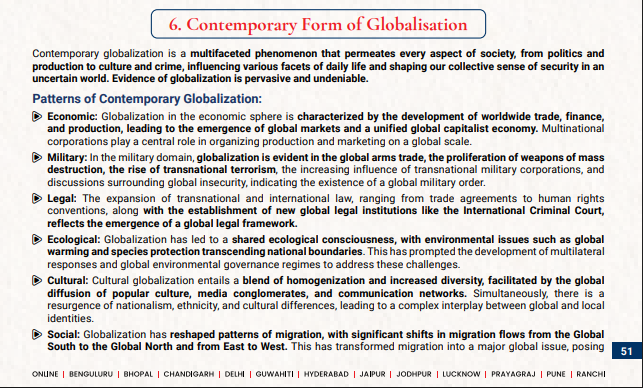
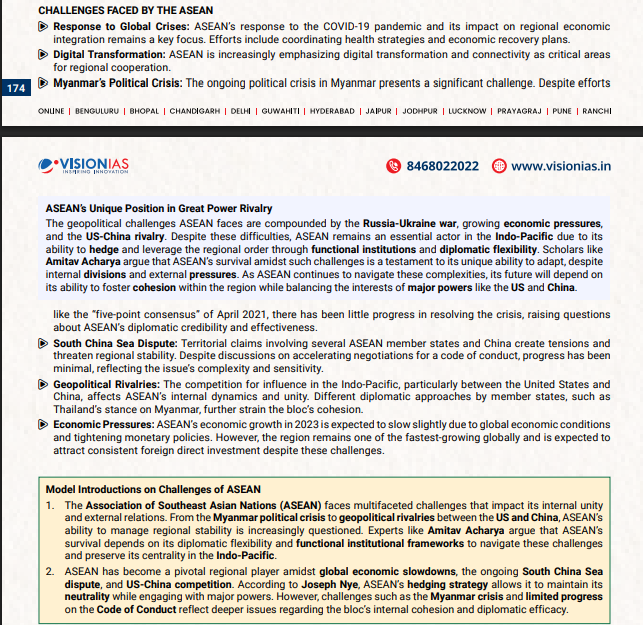
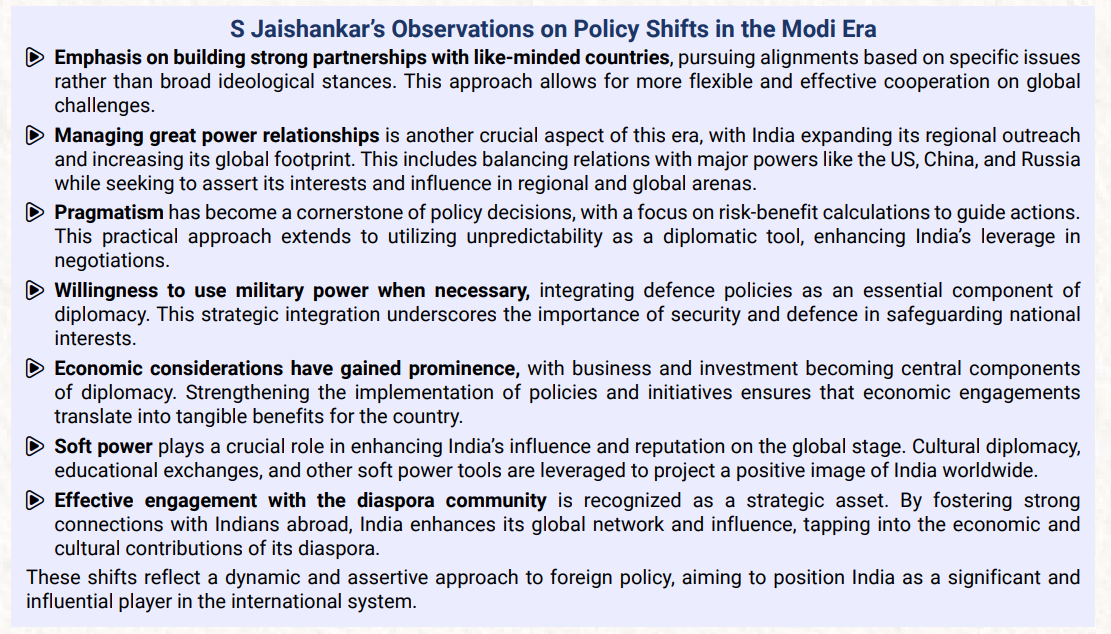
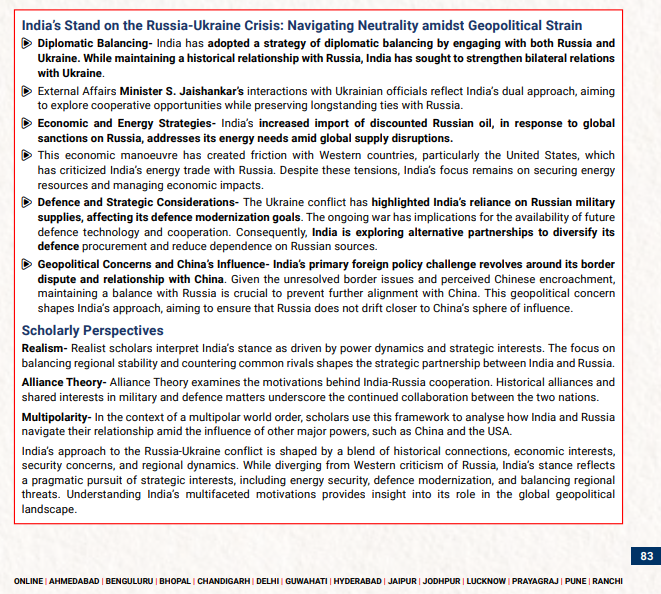
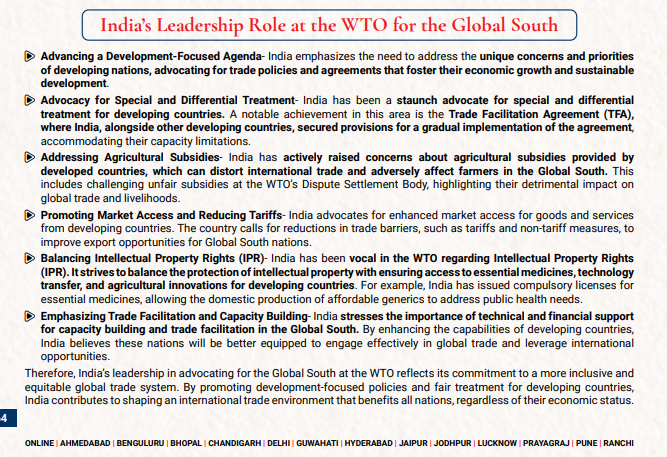
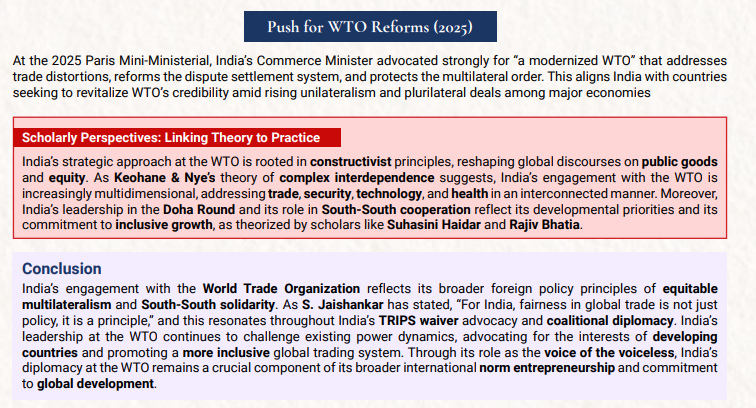
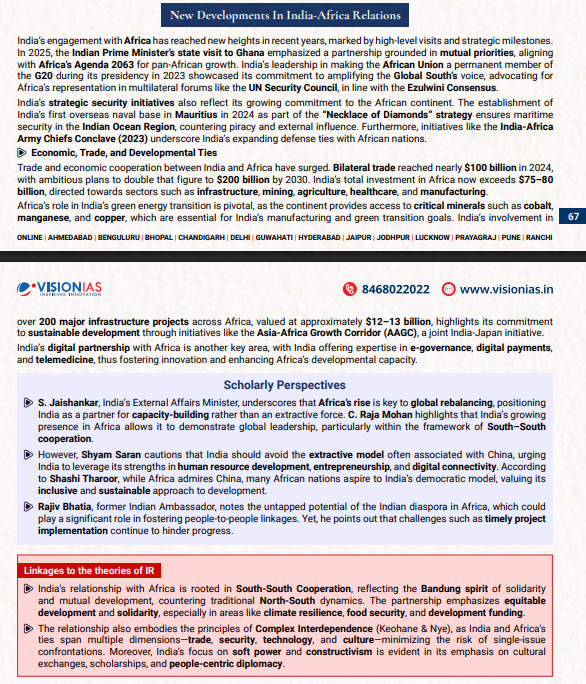
This year, our PSIR Optional Paper 2 VAM comprehensively covered 9 out of 28 questions indicating a testament to their direct relevance and effectiveness for UPSC Mains.
Reflections in PSIR Paper 2 from Vision IAS Value Added Material
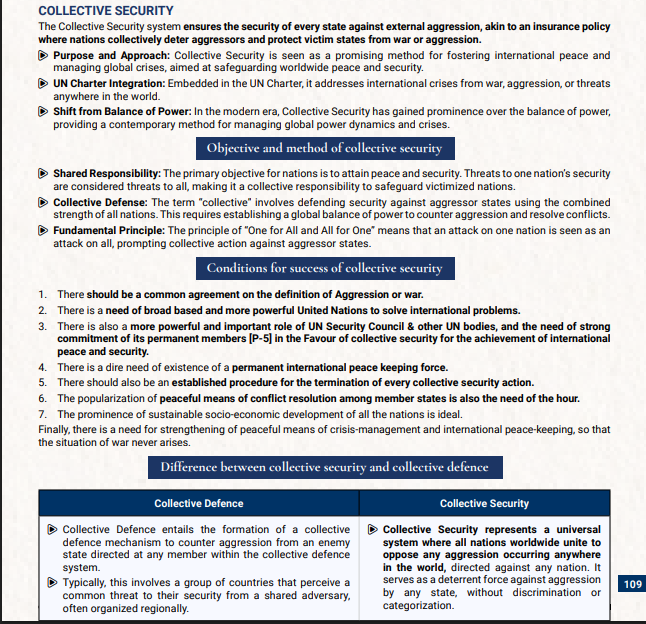
Other UPSC PSIR Optional Mains 2025 Questions answerable from our VAM include:
Final Thoughts
The analytical nature of this year’s UPSC PSIR Optional Mains paper holds significant implicationfor all aspirants, particularly those targeting UPSC 2026. Success in the UPSC Mains demands a sophisticated approach to answer writing, especially for those preparing with an UPSC PSIR Optional subject.
Reflections on UPSC Mains 2025 PSIR Optional Paper 2 indicate the growing need to integrate both static knowledge and contemporary developments in answer writing. Aspirants of PSIR Optional can particularly benefit by aligning their preparation with evolving trends, since UPSC PSIR Optional requires the ability to interlink core concepts with current affairs.
By utilizing structured resources like Vision IAS UPSC PSIR Optional Test Series and high-quality UPSC Value Added Material (VAM), aspirants can learn how to structure answers, enrich them with relevant examples, and develop the analytical depth needed in PSIR for IAS preparation. Such an approach ensures that the UPSC Optional, particularly PSIR Optional, is tackled with precision and consistency, ultimately improving performance in the UPSC Mains.
Vision IAS Resources for UPSC CSE 2026
- Enroll in Vision IAS GS Foundation course for holistic preparation of UPSC exam
- UPSC Mains high quality, updated and toppers trusted notes and documents by Vision IAS at UPSC Mains Corner.
- Explore topper’s trusted and recommended most important answer-writing tool for UPSC CSE Examination, the VisionIAS Mains Test Series, to effectively practice answer writing for Mains 2026.
- Explore topper’s trusted and recommended most important Optional Preparation and Practice resource for UPSC CSE Examination, the VisionIAS Optional Test Series, to effectively practice answer writing for Mains 2026.
- To pursue a mentored approach for UPSC Mains 2026 check our Lakshya Mentoring Services. Lakshya has been a trusted mentoring service used by many toppers.
- Vision IAS provides a new age, AI integrated Digital Current Affairs solution that can help you navigate the course of Current affairs. The flagship “Vision Intelligence” can help you keep a track of the enormous task of handling current affairs in your preparation. These resources can be found at our dedicated Current Affairs page.
- We at VisionIAS also prioritise mental health of all students. At Student Wellness Cell, you can reach out to us for counseling if you feel overwhelmed with the exam. We strive to assist the students and help you with effective stress and time management under the guidance of best counselors.
Leave a Reply